
















 Listen to Our Blogs
Why Indianapolis Storefronts are a Hot Commodity Right Now
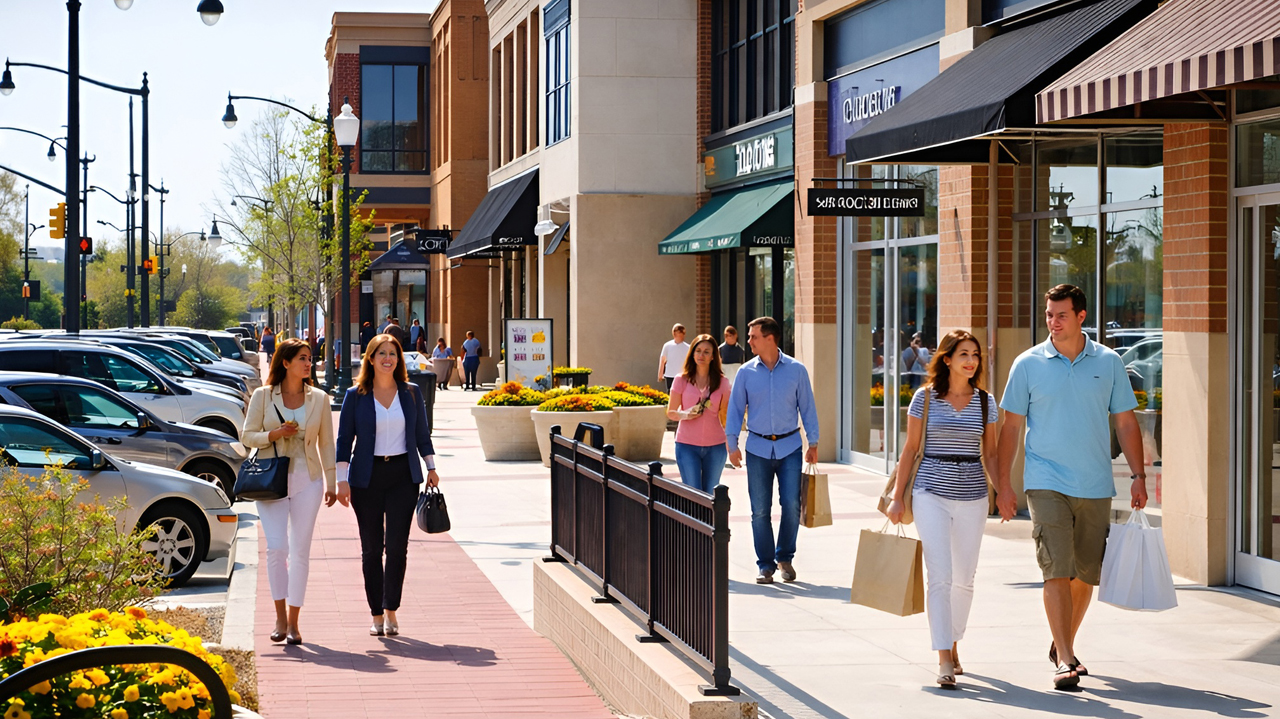

Just a few years ago, downtown Indianapolis reflected the broader disruption of the pandemic: empty sidewalks, shuttered storefronts, and a sense of uncertainty that lingered over its commercial corridors. Today, that landscape looks remarkably different. Neighborhoods such as Avon, Fishers, and Nora are seeing renewed retail activity, with formerly vacant spaces now occupied by coffee concepts, boutique fitness operators, and service-oriented businesses that cater to daily consumer needs. Recent data from the Q3 2025 Indianapolis commercial retail sector report highlights this dramatic turnaround. The market posted 240,000 square feet of positive net absorption, a strong rebound from Q2’s negative 348,000 square feet. This shift has tightened overall vacancy to just 5.0 percent and nudged average asking rents up by 2.0 percent year-over-year, reaching $17.57 per square foot NNN. The data is clear: Indianapolis storefronts are more sought-after than ever, fueled by shifting consumer habits, a resilient local economy, and renewed neighborhood vibrancy. As we explore the factors behind this surge in demand, it becomes evident why Indianapolis storefronts have become a hot commodity in today’s commercial real estate landscape.
Surge in Demand for Small-Format Retail
In Indianapolis, the surge in demand for small-format retail has positioned compact storefronts as one of the market’s most dynamic segments. As consumers seek more personalized, community-focused shopping experiences, small retail footprints have become especially attractive to specialty retailers, local restaurants, and service providers. These smaller spaces allow businesses to operate efficiently, reduce overhead costs, and remain adaptable in a rapidly changing commercial property market. Beyond cost considerations, small-format retail aligns with how tenants are approaching growth. Many businesses are prioritizing visibility and accessibility over size, choosing locations embedded within established neighborhoods rather than larger, destination-style centers. This strategy helps tenants build consistent foot traffic and stronger relationships with local customers. For landlords, the appeal lies in flexibility and depth of demand. Small storefronts can accommodate a wide range of uses with minimal reconfiguration, supporting faster lease-up and lower vacancy risk.
The Stability of Neighborhood Retail
Neighborhood retail centers in Indianapolis continue to demonstrate strong stability, even amid shifting economic conditions. These properties have emerged as one of the most dependable segments of the local retail market due to their alignment with everyday consumer needs. Unlike discretionary retail formats, neighborhood centers host businesses that residents rely on regularly, such as restaurants, medical clinics, fitness studios, and personal service providers. This performance is most evident in residential-adjacent submarkets such as Carmel, Greenwood, and Noblesville, where both anchored and unanchored centers maintain low vacancy rates, consistent foot traffic, and strong tenant retention. Proximity to established housing density allows these properties to capture repeat visitation driven by convenience rather than destination shopping behavior. Necessity-based tenants, such as grocery, pharmacy, and quick-service operators, further enhance stability and remain less susceptible to e-commerce displacement. Indianapolis’ broader economic fundamentals reinforce this durability. The region continues to benefit from sustained population growth of approximately 15,000 residents annually, GDP expansion of nearly 3.1 percent, and strategic infrastructure investments, including the I-69 corridor expansion. Collectively, these factors support ongoing consumer demand and position neighborhood retail as a defensive, income-oriented asset class with long-term performance advantages relative to more volatile retail segments.
Robust Market Fundamentals Drive Growth
Indianapolis’ commercial retail sector is supported by strong local fundamentals that are expected to continue driving demand for storefront space into 2026. The market has posted notable momentum, with year-over-year retail visit growth exceeding the national average by approximately 4.3 percent between May and October 2025. This performance has been fueled by sustained population inflows and a healthy labor market, with unemployment hovering near 3.3 percent in late 2025. The city’s relatively affordable cost of living, coupled with a business-friendly regulatory environment, continues to attract both new residents and entrepreneurs. These conditions have contributed to a steady pipeline of retail tenants seeking well-located storefronts, particularly in neighborhood-oriented corridors and mixed-use districts. As consumer activity remains consistent, retailers are prioritizing markets where operating costs are manageable and customer bases are expanding. Infrastructure investment has further strengthened the market’s outlook. Ongoing improvements across downtown and high-growth suburban areas have enhanced connectivity, accessibility, and walkability, increasing the appeal of street-level retail. Together, these economic, demographic, and infrastructure factors reinforce Indianapolis’ position as a market where retail demand is supported by durable, long-term fundamentals rather than short-term trends.
Retail Space Availability Remains Limited
Despite rising tenant demand, retail space availability across the Indianapolis market remains structurally constrained. New retail development continues to trail demand due to elevated construction costs, increasingly complex zoning requirements, and a limited supply of well-located sites, particularly for Class A small-format storefronts. This restricted development pipeline has intensified competition among tenants, driving accelerated lease-up timelines and reinforcing upward pressure on asset values for existing property owners. As a result, the majority of current leasing activity is occurring within existing retail inventory rather than newly delivered space. This dynamic has kept vacancy rates compressed across several high-demand submarkets. Retail vacancy remains below 4.8 percent, reflecting both sustained tenant interest and limited turnover among occupied spaces. Until development economics meaningfully improves, supply-side constraints are expected to persist. For investors, this environment supports stable rental rates, strong occupancy performance, and long-term value preservation, positioning Indianapolis retail as a supply-constrained market with durable competitive pressure. For landlords, current conditions continue to reward disciplined commercial asset management and strategic positioning.
Explore high-performing Indianapolis storefronts with expert guidance
Schedule a Discovery CallDiverse Tenant Mix Enhances Stability
A diverse tenant mix has become a defining characteristic of Indianapolis’ most successful retail centers, playing a critical role in long-term stability and performance. While single-use developments that are more vulnerable to sector-specific downturns, many Indianapolis storefronts feature a balanced combination of food, service, healthcare, and lifestyle operators that support consistent demand. Quick-service restaurants, including drive-thru coffee shops and fast-casual concepts, attract predictable daily traffic from commuters and nearby residents. These traffic drivers are reinforced by essential service providers such as urgent care clinics, pharmacies, and wellness operators, which offer necessity-based demand that remains durable through economic cycles. The interaction between discretionary and essential uses creates a stable customer base and balanced foot traffic throughout the day. This diversification materially reduces vacancy exposure. When turnover occurs, spaces are more readily absorbed by tenants seeking proximity to established demand generators and complementary uses. Retail centers with diverse tenancy also benefit from cross-shopping behavior, which enhances sales performance and strengthens tenant retention. In growth-oriented suburban markets such as Avon and established urban districts like Broad Ripple, this strategy has supported sustained leasing velocity and operational performance for retailers and investors alike. Centers anchored by a diverse tenant mix offer reduced risk, greater income stability, and stronger long-term fundamentals. In the Indianapolis market, tenant diversity has become a core driver of enduring retail viability.
Value-Add Opportunities Remain Strong
Indianapolis storefronts present compelling value-add opportunities, particularly through adaptive reuse of underutilized properties and targeted capital improvements. Many older retail assets are well-positioned for strategic upgrades, including modernized facades, improved signage and visibility, and interior reconfigurations to accommodate contemporary retail concepts and service-oriented tenants. These enhancements allow owners to attract stronger tenancy, achieve higher rental rates, and materially improve overall asset performance. Evolving consumer preferences further strengthen the value-add case. As demand continues to shift toward service-based, convenience-driven retail, owners can reposition legacy spaces with higher-credit, higher-performing users, such as healthcare providers, fitness concepts, personal service operators, and fast-casual restaurants. This transition enables landlords to replace underperforming tenants with uses that generate consistent foot traffic and more durable revenue streams. Flexible lease structures, shorter lease terms, and rolling expirations further support active asset management strategies, allowing owners to capture incremental rent growth and enhance net operating income over time.
Key Market Headwinds
While Indianapolis storefronts offer strong upside, sustained performance requires careful navigation of several evolving challenges. Market momentum remains favorable, but owners and investors must balance rising costs, regulatory constraints, and shifting tenant expectations to protect returns and capitalize on long-term opportunities.
Rising Property Taxes
Increased property tax assessments are adding upward pressure to operating expenses for retail property owners. In Marion County, recent assessment increases, reported to average 27 percent or higher for some commercial real estate property types, are tightening cash flows and affecting tenant affordability. As a result, disciplined budgeting, proactive appeals, and thoughtful expense management have become increasingly critical to protecting net returns.
Constrained New Retail Development
Strict zoning requirements, limited infill sites, and elevated construction costs have slowed the delivery of new Class A properties. While this restricts tenants’ expansion options, it also reinforces scarcity, supporting stronger leasing fundamentals for existing, well-located storefronts.
Escalating Construction and Renovation Costs
Labor shortages and higher material pricing have increased the cost of both new development and property upgrades. These conditions can delay capital improvement timelines and require more selective underwriting for value-add projects.
Rising Insurance Premiums
Insurance costs have climbed due to broader climate-related and risk-adjustment factors, particularly for properties in exposed locations. Owners who invest in resilient building features and risk-mitigation strategies may achieve greater long-term cost stability.
Shifting Tenant Preferences
Consumer demand continues to favor service-driven and experience-based retail concepts, creating new expectations for storefront design and functionality. While older properties may require substantial upgrades to remain competitive, well-executed renovations allow owners to reposition spaces and attract more resilient tenant profiles.
Conclusion
Indianapolis’ storefront retail properties continue to demonstrate the characteristics investors prioritize in today’s market: durable demand, limited new supply, and income stability supported by necessity-based tenancy. Population growth, steady employment, and consumer preference for service-oriented retail are reinforcing the performance of neighborhood storefronts across both urban and suburban submarkets. These dynamics are not temporary. They represent structural shifts that support long-term occupancy and predictable cash flow. While rising operating costs and renovation requirements require strategic planning, disciplined investors and owners who focus on tenant mix, location, and proactive asset management are well-positioned to capture long-term value. Neighborhood storefronts with flexible layouts and diversified tenants continue to outperform, offering both stability and upside potential. For investors looking to secure a foothold in Indianapolis’ growing retail market, now is the time to explore opportunities. Connect with one of our commercial retail brokers to identify high-performing storefronts, evaluate value-add potential, and leverage local expertise to make confident, data-driven investment decisions.
Topic: Indianapolis Market Trends
Get personalized insights on high-performing storefronts
Talk to a Broker
About the Author - Daniel Santana, Broker
Daniel Santana is a Broker at Allies Commercial Realty specializing in retail real estate across Central Indiana. With 17 years of experience, including 6 years in retail property management and leasing, Daniel brings a unique blend of brokerage expertise and business ownership experience to help clients make confident retail real estate decisions.
Download Our Free Resource:
The Future of Industrial Real Estate in Indiana:
E-Commerce and Beyond
You might also enjoy reading:



Cookies improve your browsing experience, deliver tailored ads or content, and assess our website traffic. If you click 'Accept All’ you are giving your consent for us to utilize cookies. Check our cookies policy here.
Adding {{itemName}} to cart
Added {{itemName}} to cart