

















 Listen to Our Blogs
Outgrown Your Commercial Space but Still Have a Lease? Here Are Your Options


Your business is growing, but your commercial space isn’t keeping up. Maybe your warehouse is running out of storage, your team needs more room, or loading delays are making everyday operations harder.
The problem? You still have time left on your commercial lease.
Does that mean you’re stuck until it expires? Not necessarily. You may be able to reconfigure your space, expand next door, sublease, or negotiate an early exit. The right approach depends on your lease, the properties available, and what your business actually needs.
For businesses in Indianapolis and Central Indiana, the smartest first step is to evaluate your space requirements and your existing lease together—before making another commitment.
Define What Your Business Needs
Start by identifying what is limiting operations. An office may have enough workstations but too few rooms for confidential conversations. A warehouse may have adequate floor area but insufficient loading access, storage height, or electrical capacity. Build your requirements around current operations and reasonably supported growth. Approved hires and signed customer contracts provide a stronger basis than an optimistic sales forecast. This helps determine the space you should lease or occupy. Turn those requirements into a clear search brief: required capacity, essential features, preferred location, budget, and operational deadline.
Review Your Current Lease
Gather the signed lease, amendments, and any guarantees. A commercial real estate attorney should assess your contractual rights and obligations, while a tenant representation broker can evaluate properties, market conditions, and commercial negotiating options.
Review the following provisions:
- Expansion rights: Any right to lease additional space, including the areas covered and conditions for exercising it.
- Rights of first offer or first refusal: Procedures that may allow you to pursue specified space.
- Assignment and subletting: Restrictions, consent requirements, fees, and other conditions governing a transfer.
- Early termination: Any negotiated exit option, notice deadline, payment, or eligibility requirement.
- Alterations: Approvals required to change your existing layout.
- Returning the premises: Required repairs, removals, and restoration when you return the space.
- Guarantees: Obligations that may extend to a business owner or another entity.
The details determine whether a provision is useful. An expansion right may apply only to a particular suite, and permission to transfer the lease may leave continuing liability. Read the agreement and its amendments together rather than relying on a single clause. Outgrowing your space but still have time left on your lease? Before making your next real estate decision, talk with our tenant representation team. We can help assess your space needs, evaluate market alternatives, and develop a practical expansion or relocation strategy. Your attorney can advise on the legal interpretation of your lease.
Talk to an Allies Tenant Representation Advisor.
Seven Options When You Have Outgrown Your Commercial Space
Not every option works for every business. The right choice depends on your lease, available properties, and what your business actually needs.
| Option | Worth considering when | Main issue to assess |
|---|---|---|
| Reconfigure | The layout is the main constraint | Capacity gained versus improvement cost |
| Expand next door | Suitable adjacent space is available | Integration costs and any longer lease commitment |
| Relocate within the landlord’s portfolio | The landlord has a suitable alternative | Written terms ending or changing existing obligations |
| Sublease | You need to move, and the space may attract another occupier | Demand, rent recovery, and continuing responsibility |
| Assign the lease | Another tenant can take over the remaining term | Consent requirements and whether liability continues |
| Negotiate early termination | An agreed exit could support the move | Settlement cost and obligations that survive |
| Add a second location | Activities can operate separately | Duplicated overhead and coordination costs |
Reconfigure Your Existing Space
Targeted improvements may provide sufficient capacity without relocating. Converting underused office areas or reorganizing warehouse storage can help when the layout is the underlying problem. Compare the improvement cost with the capacity and useful time gained. Confirm landlord approval and applicable code requirements before proceeding, particularly where changes affect occupancy, access, or storage arrangements.
Expand Into Adjacent Space
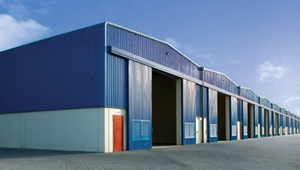
An available neighboring suite or warehouse bay may let you grow while keeping your location. Assess whether access, utilities, loading, and layout can support a combined operation at a reasonable improvement cost. The central question is whether the combined premises will work as one operation and justify any lease extension. A disconnected unit that requires duplicated facilities or frequent movement between entrances may add space without resolving the original constraint. The amendment should establish rent, operating expenses, construction responsibilities, delivery timing, and the term for the additional premises.
Example: Expanding into an adjacent warehouse bay (illustrative scenario)
A distributor has 18 months remaining on its lease and needs more storage. An adjacent bay becomes available, but the landlord requests a three-year extension. Before accepting, the business compares the combined storage capacity, loading access, connection costs, and longer commitment with relocation alternatives. If the added bay provides storage but still constrains shipping, expansion may offer limited operational value. If it meets both needs at an affordable cost, staying put could be practical. The lesson is to evaluate the combined operation before negotiating around square footage alone.
Relocate Within Your Landlord’s Portfolio
If your landlord owns a suitable larger property, a coordinated relocation may be possible. This depends on availability and the landlord’s willingness to negotiate your departure alongside a new lease. The written agreement should specify when your current obligations end and how overlapping rent, deposits, improvements, and restoration will be handled. Leasing another property from the same owner does not automatically terminate the existing agreement.
Sublease Your Current Space
A commercial sublease can help offset existing occupancy costs after a move, but you generally remain responsible to your landlord if the subtenant fails to pay. The American Bar Association’s commercial leasing guidance explains this continuing responsibility and restrictions commonly associated with lease transfers. Assess whether the remaining term, condition, and permitted use match likely occupiers. A short term may suit a business seeking temporary premises but may not offer enough time for one that needs substantial improvements. Use that assessment to estimate achievable rent and marketing time, then budget for vacancy, incentives, and any shortfall between payments owed and income collected.
Assign Your Lease to Another Tenant
A lease assignment transfers your interest in the lease to another tenant, subject to the agreement’s requirements and any necessary landlord consent. Unlike a sublease, the incoming tenant takes over the lease itself. An assignment does not necessarily release you or a guarantor from responsibility. Have your attorney confirm which obligations remain and whether you can negotiate an express written release.
Negotiate an Early Termination
An early termination agreement can establish a defined exit when other options are unsuitable. Unless your lease provides an applicable termination right, the landlord may decline. Negotiations may address a payment, reimbursement of specified costs, the departure date, and the condition in which you must return the space. Compare the total settlement cost with the expense and uncertainty of retaining or transferring the lease. The agreement should identify any obligations that survive termination.
Add a Second Location
A second location may provide additional capacity without moving the entire operation. A distributor might lease overflow storage, while a service business might open another customer location. This works best when the activities can operate separately without excessive transportation or management demands. Include additional staffing, utilities, equipment, and coordination costs in the comparison. Also confirm that the intended use is allowed at the proposed site. The U.S. Small Business Administration explains that location affects zoning and regulatory requirements; check the specific property with the relevant local planning department.
Compare the Full Cost of Staying and Moving
Moving before your commercial lease ends may mean paying for two locations. Compare staying, adapting the current premises, and relocating over the same timeframe. If your lease has 18 months remaining, calculate each option across those 18 months and show any longer commitments separately.
| Cost category | What to include |
|---|---|
| Current space | Rent and other charges you would continue paying, including after a move |
| New or additional space | Rent, operating charges, utilities, insurance, and maintenance responsibilities |
| Preparing the space | Renovations, design, permits, and equipment installation |
| Moving the business | Movers, technology setup, signage, and operational disruption |
| Ending or transferring the lease | Applicable commercial real estate brokerage and legal fees, replacement-tenant incentives, and termination payments |
| Returning the current premises | Required repairs, equipment removal, and restoration |
| Potential offsets | Expected sublease payments and agreed landlord contributions, with timing and conditions identified |
List refundable security deposits separately as upfront cash requirements. They may be recoverable and should not be treated the same as permanent expenses. Treat projected sublease income as an assumption, not guaranteed savings. Include a scenario in which finding a subtenant takes longer, or the rent collected is lower than expected. The business should understand whether it can afford the move if anticipated income arrives late.
Coordinate Your Move With Your Existing Obligations
The new occupancy date and existing lease obligations must work together. Before signing another commercial lease, establish:
- Space requirements and deadline: Confirm the capacity, infrastructure, and date needed to support operations.
- A plan for the current premises: Determine whether you will retain the space, pursue a transfer, or negotiate termination.
- An overlap budget: Calculate how long the business can afford obligations at both locations.
- A delivery and approval schedule: Account for construction, permits, equipment installation, and other occupancy requirements.
- Continuing responsibilities: Identify rent, guarantees, restoration duties, or transfer obligations remaining after departure.
Securing another property before resolving the current lease may be necessary, but the business should be able to cover the additional costs if the planned exit is delayed. Align your required return date with a realistic schedule for starting operations at the new location.
Negotiate Flexibility Into Your Next Lease
Prioritize provisions that address how your business is likely to change. Expansion rights may support planned hiring or equipment additions. Workable assignment and sublease terms can provide options if requirements shift. An early termination right may offer another route, depending on its conditions and cost. Evaluate how each provision would operate in practice. Expansion rights should cover suitable space, and transfer provisions should have clear approval procedures. Weigh their value against higher rent, a longer commitment, or fewer incentives, such as free rent or improvement allowances.
Frequently Asked Questions
Can I end my commercial lease because my business has outgrown the space?
Business growth does not automatically create a right to terminate. Have an attorney review any applicable termination provision and its conditions. If no suitable contractual option exists, you can explore a negotiated exit with the landlord.
Does my landlord have to provide additional space?
Check the applicable lease provisions, including any expansion right and its conditions. Without a relevant contractual right, additional space generally depends on availability and negotiation.
Is subleasing better than negotiating an early termination?
Compare cost, timing, and continuing responsibility. Subleasing may offset rent but exposes you to vacancy and missed payments. A negotiated termination can establish an exit date and payment, subject to any obligations the agreement preserves.
When should I start planning an expansion or relocation?
Start when capacity constraints affect operations or confirmed growth indicates the space will become inadequate. Work backward from your required occupancy date to allow for negotiations, approvals, improvements, and the move.
Your Business Has Outgrown Its Space. What’s Next?
Outgrowing your commercial space can be a sign that your business is moving in the right direction. But choosing a new property before understanding your existing lease could create unnecessary costs and complications.
Whether you are considering expansion, relocation, or a negotiated change to your current lease, Allies Commercial Realty can help you evaluate commercial real estate options in Indianapolis and Central Indiana. Bring your lease and amendments, a summary of your space requirements, and your target occupancy date so we can focus on practical next steps.
Let’s find space that supports where your business is going—not just where it is today.
Talk to Our Tenant Representation Team.
This article provides general business information. Consult a commercial real estate attorney about your lease and any proposed amendment, transfer, or termination.
Topic: Commercial Lease Planning
Download Our Free Resource:
The Future of Industrial Real Estate in Indiana:
E-Commerce and Beyond
You might also enjoy reading:



Cookies improve your browsing experience, deliver tailored ads or content, and assess our website traffic. If you click 'Accept All’ you are giving your consent for us to utilize cookies. Check our cookies policy here.
Adding {{itemName}} to cart
Added {{itemName}} to cart