
















 Listen to Our Blogs
How Artificial Intelligence Is Reshaping Workplace Demand in Indianapolis
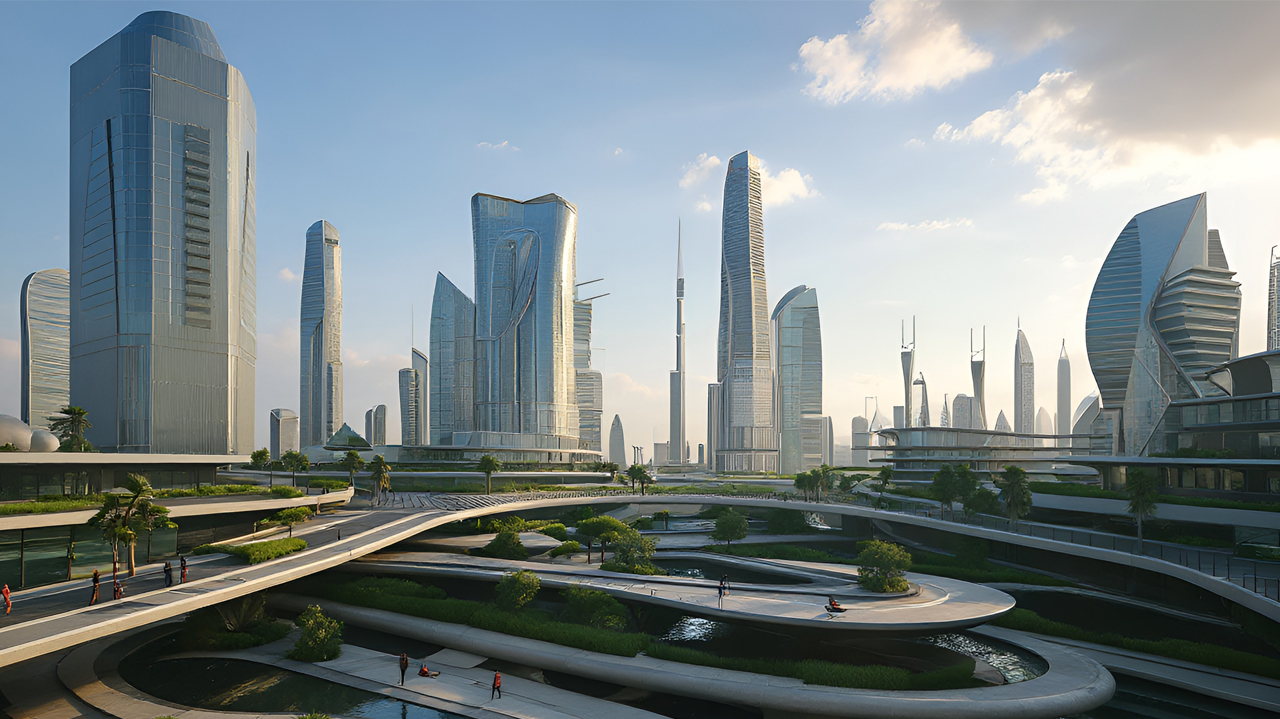

Rather than eliminating offices, artificial intelligence systems are changing how companies use space, what properties they prioritize, and where demand concentrates. Modern businesses are more intentional with their commercial real estate decisions, seeking workplaces that support productivity, flexibility, and talent retention rather than simply maximizing square footage. This shift is visible in Indianapolis. The Indianapolis office vacancy rate rose in early 2026, with Class A vacancy reaching 21.1 percent, even as national markets stabilized. Concurrently, the state launched the IN AI initiative to help local businesses adopt artificial intelligence. As adoption accelerates, its impact extends beyond workforce planning into corporate commercial real estate strategy. For tenants, landlords, and investors, the implications are significant. Demand is becoming more selective, rewarding modern, amenity-rich buildings while placing older properties under pressure. The future of commercial office space in Indianapolis will be shaped by which properties are best equipped to support modern businesses’ work patterns.
Why Office Demand Is Becoming More Selective
Technological tools are no longer confined to tech firms. They are becoming essential across major business segments, influencing how companies grow and utilize office space. In U.S. markets, businesses focused on artificial intelligence and adjacent fields such as data analytics, software development, and cloud services accounted for 22.7 percent of total office leasing activity in early 2026, according to industry data. Nationally, office vacancy stands at 20.2 percent in early 2026, yet demand remains strong for Class A, innovation-ready buildings. Tech-focused tenants seek spaces with advanced infrastructure, including higher power capabilities, robust cooling systems, and redundant connectivity. Buildings lacking these features risk becoming obsolete in a market driven by technical requirements. In Central Indiana, these dynamics are visible. While the overall vacancy rate aligns with the national average, submarkets like Carmel and Fishers perform well, with Class A office space commanding premium rents. For landlords and tenants, the shift is about understanding what modern office spaces must deliver in a changing market.
Understanding the Infrastructure Drivers Behind the Shift
The preference for high-quality office space is driven by infrastructure requirements that extend beyond aesthetics. As businesses adopt data analytics and cloud technologies, physical infrastructure is a primary consideration in location and leasing decisions. Modern enterprises require reliable power, high-speed fiber, and adaptable workspaces that scale with evolving technical demands. Indiana enters this technological transition with key competitive advantages. Commercial electricity costs remain below the national average, and the region benefits from ongoing investments in power generation, transmission, and energy storage.
Additionally, state frameworks support large-scale technology investments, accelerating infrastructure development while protecting utility ratepayers. These advantages help attract substantial investment in data centers and technology facilities. For office occupiers, these developments are relevant because the infrastructure drawing technology companies to Indiana also shapes tenant expectations. Properties featuring strong connectivity, modern systems, and flexible layouts attract most tenant interest, while older buildings face competitive pressure.
How Technological Integration Changes Building Requirements
The practical impact of artificial intelligence on commercial properties is becoming clearer. As companies invest in software automation and data analytics, their facility requirements shift. Building features that were once considered premium upgrades, such as high-bandwidth connectivity and flexible electrical distribution, are rapidly becoming baseline expectations.
Infrastructure as a Core Competitive Advantage
Industry research suggests that tech-driven businesses dedicate more office space to technical infrastructure, including edge computing and server rooms. As computing demands rise, properties must deliver enhanced power, cooling, and connectivity. Consequently, tenants focus on buildings that support these technical requirements rather than properties that simply provide desk space. Connectivity is highly correlated with performance. In Indianapolis, downtown office buildings with fiber upgrades reported occupancy rates approximately 10 percent higher than comparable properties, according to CoStar data. Reliable fiber connectivity is now a fundamental requirement, and properties offering redundant power and flexible cabling are well positioned to attract growing tenant demand.
Leasing Flexibility and Performance Divide
Evolving business models require layouts that adapt as headcount and technology needs change. Tenants seek physical spaces and lease terms that support rapid reconfiguration without major capital expenditure. This drives demand for buildings with modular floor plates, shifting negotiations from simple rental rates toward long-term asset functionality. As occupier expectations rise, the gap between modern office properties and aging inventory widens. To remain competitive, some owners invest in systems upgrades and adaptive reuse to reposition older assets. At the same time, Class A properties with modern infrastructure capture the majority of market activity, leaving obsolete spaces with limited leasing prospects. Building certifications also play a greater role. Programs like WiredScore and SmartScore are recognized benchmarks for connectivity and smart operations, signaling that a property can support modern technology. Buildings investing in these certifications are better positioned to attract and retain tenants in a competitive market.
Looking for your next move in the office market? Get local insight on availability, submarkets, and market trends.
Schedule a Discovery CallRegional Dynamics and Growth Corridors in Central Indiana
While many office markets nationwide continue to adjust to remote work, Central Indiana benefits from substantial investments in digital infrastructure, advanced manufacturing, and life sciences. These projects shape the regional economy and reinforce the fundamentals that drive office demand, such as the availability of skilled talent and new business formation.
The LEAP District and Corporate Investment
A primary driver of this growth is the LEAP Research and Innovation District in Boone County. The district continues to attract corporate investment, including Meta’s $10 billion data center campus in Lebanon. This massive project acts as a catalyst, attracting additional business investment throughout the surrounding region. The district also hosts Eli Lilly’s manufacturing campus, one of the largest economic development projects in state history. These investments drive infrastructure improvements and business activity across Boone County, generating demand for professional services and technical consultants that lease office space rather than industrial facilities.
The Emerging Innovation Corridor and Submarket Focus
The economic benefits of these developments extend beyond Boone County. The corridor connecting downtown Indianapolis, the LEAP District, and West Lafayette is developing into a hub for research, innovation, and talent development. Purdue University in Indianapolis, launched in 2024, expands the engineering talent pipeline, while the IU LAB at 16 Tech provides 150,000 square feet of research space to support startup collaboration. These initiatives strengthen Central Indiana’s position in life sciences, microelectronics, and AI. Access to this talent pool remains a key driver for office location decisions, reinforcing regional market fundamentals. These regional benefits are not distributed evenly. Leasing activity concentrates in submarkets offering modern layouts, infrastructure, and skilled labor. In Hamilton County, Carmel and Fishers outperform competing office submarkets due to their modern inventory and strategic location between Indianapolis and the LEAP District, positioning them to capture growth from tech and research firms.
Strategic Implications for Tenants, Investors, and Developers
The integration of technology into daily operations has practical consequences for commercial real estate strategies, altering what tenants require from buildings, where investors allocate capital, and how developers design new projects. For tenants, modern occupiers view the office as a strategic tool for collaboration and talent retention, prioritizing functionality over raw square footage. Reliable connectivity, flexible layouts, and modern systems are central to leasing decisions. Tenants who address future technology requirements during their search process are better positioned to adapt as operational needs change. For investors, the gap between high-performing Class A buildings and older properties creates distinct risks. Properties with modern electrical systems, quality amenities, and locations near growth hubs attract consistent demand, while older assets requiring substantial upgrades face prolonged vacancies. Investment decisions focus on long-term operational viability rather than current occupancy rates. For developers, new commercial projects are designed to meet higher technical standards. Tenants expect robust power capacity, diverse fiber entry points, and systems that support high-density equipment. In Central Indiana, the expansion around the LEAP District and the innovation corridor offers opportunities for new projects built to these specifications, aligning with the requirements of growing industries.
The Bigger Picture for Office Properties
Technological advancement is not removing the need for physical workplaces. Instead, it is accelerating a market shift toward higher-quality, flexible, and better-connected environments. For commercial real estate participants, the primary challenge is identifying which properties can adapt to support the operational requirements of modern business.
Conclusion
The Indianapolis office market is no longer shaped solely by lease expirations or workforce growth. Office demand is increasingly driven by how companies integrate artificial intelligence technologies to automate operations and rethink the workplace. This transition is creating a divide: properties that support technology infrastructure and the employee experience attract tenants, while outdated properties struggle. Making successful real estate decisions requires a thorough understanding of vacancy trends, tenant preferences, and emerging growth corridors. Allies Commercial Realty combines local market knowledge with transaction experience across office, industrial, and retail sectors. Our team provides practical guidance to help clients evaluate acquisition, leasing, and asset repositioning strategies. Whether negotiating a lease, acquiring property, or planning for long-term growth, Allies Commercial Realty delivers the market insights and transaction expertise required to make informed decisions in a selective commercial real estate market.
Topic: Industry Trends
Need guidance on a property or transaction? Start a conversation with an experienced Allies broker.
Talk to a Broker
About the Author - Konnor Haehl, Broker
Konnor Haehl is a Broker at Allies Commercial Realty specializing in office real estate across Central Indiana. He advises tenants and landlords on office leasing, market analysis, and negotiations, combining research-driven insights with a strategic approach to help businesses make confident real estate decisions.
Download Our Free Resource:
The Future of Industrial Real Estate in Indiana:
E-Commerce and Beyond
You might also enjoy reading:


Cookies improve your browsing experience, deliver tailored ads or content, and assess our website traffic. If you click 'Accept All’ you are giving your consent for us to utilize cookies. Check our cookies policy here.
Adding {{itemName}} to cart
Added {{itemName}} to cart