

















 Listen to Our Blogs
Six Hidden Costs Companies Forget When Moving Their Warehouse
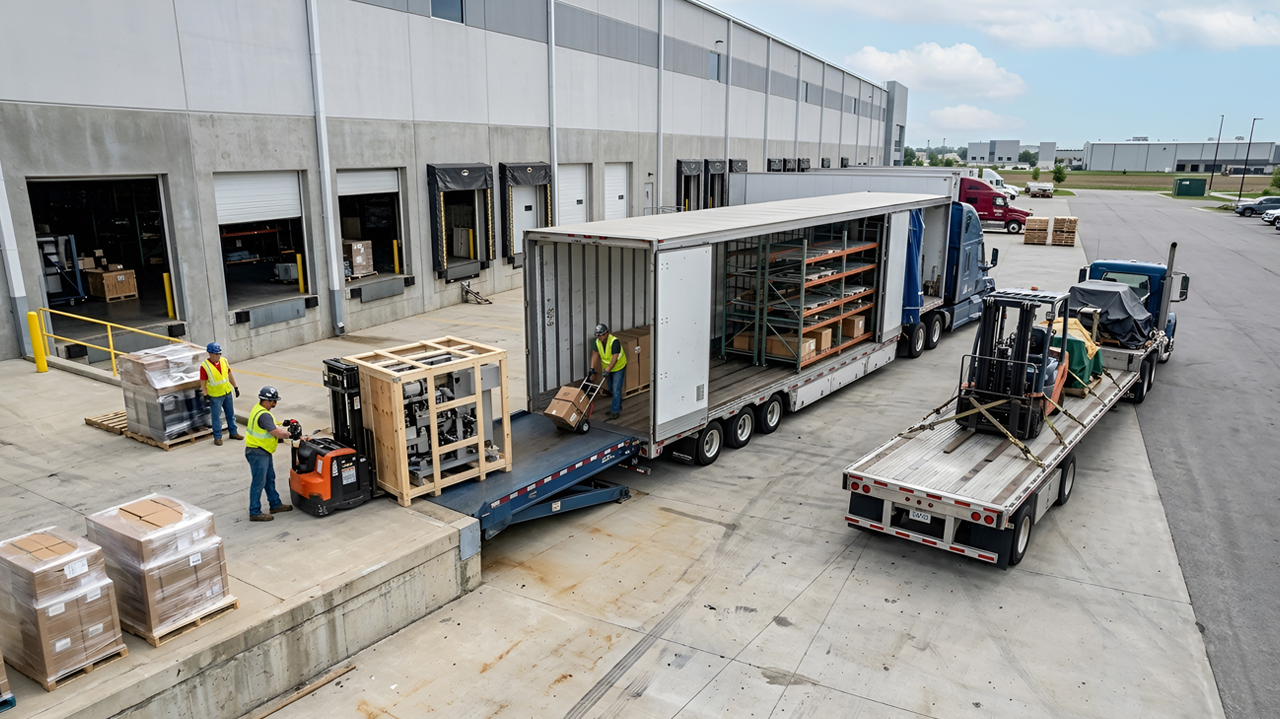

As industrial leasing activity accelerates across Central Indiana, tenants are making relocation decisions faster than they have in years. Competition for quality space in submarkets such as Whitestown, Plainfield, and Greenwood can create pressure to secure the right facility before it disappears from the market. In that environment, due diligence can become compressed, causing businesses to focus heavily on rent and occupancy costs while overlooking the broader financial implications of relocating an operation. A warehouse move involves far more than transporting inventory from one building to another. Downtime, equipment transitions, technology upgrades, workforce considerations, temporary storage needs, and extended transition periods can quickly alter the deal’s economics. Understanding the true cost of warehouse relocation before signing a lease can mean the difference between a strategic investment and an expensive surprise. Many of the costs that derail move budgets are not unexpected. They are simply underestimated or excluded from the initial analysis. The hidden expenses outlined below are among the most common factors that influence whether a warehouse relocation ultimately delivers the savings and operational advantages it promised.
The Budget Gap Behind Warehouse Relocations
Recent industrial market research indicates that the Indianapolis industrial market entered 2026 with tightening fundamentals. Overall vacancy has fallen to approximately 6.8%-6.9%, asking rents have continued to rise, and new speculative development has slowed as demand absorbs available inventory. In highly sought-after submarkets such as Park 100 and the Northwest corridor, available space remains limited, reducing tenants’ flexibility for phased transitions, early access, and move timelines. This environment is pushing many companies to make warehouse relocation decisions more quickly than they might in a softer market. Whether driven by growth, operational requirements, or expiring leases, the pressure to secure space can compress due diligence and shift attention toward rent, location, and square footage. The operational realities of the move itself often receive less scrutiny. That is where relocation budgets frequently fall short. The visible costs of leasing a new facility are relatively easy to calculate. Still, the indirect costs associated with downtime, equipment transitions, technology migration, labor disruptions, temporary storage, and lease overlap are often underestimated or excluded altogether. Industry research shows that warehousing expenses already account for approximately 20% to 30% of total logistics costs. That figure can rise significantly when relocation-related disruptions are absorbed into day-to-day operations rather than proactively planned for.
Six Hidden Costs of a Warehouse Move
Operational Downtime
Most warehouse relocation budgets focus on physical moving costs. What is often overlooked is the financial impact of reduced operational capacity during the transition. Even with careful planning, inventory transfers, equipment installation, system testing, and workforce coordination can temporarily slow receiving, fulfillment, and shipping operations.
Research published by ADSI estimates that unplanned downtime across manufacturing and distribution environments can cost approximately $260,000 per hour. During a warehouse relocation, this impact is rarely a full shutdown. More often, it appears as reduced picking capacity, delayed shipments, slower receiving processes, and temporary order backlogs that extend beyond the physical move itself. The most effective relocations are not those that eliminate disruption, but those that anticipate and control it. Businesses that plan for operational slowdown in advance are better positioned to negotiate phased moves, secure early access, coordinate equipment installation, and build realistic transition schedules. These considerations should be treated as part of the relocation budget rather than unexpected costs that arise during execution.
What to calculate: Estimate average daily revenue or shipment volume and model the financial impact of partial and full operational slowdowns. Comparing these scenarios against projected occupancy savings provides a more realistic view of the true cost of relocation.
Equipment Relocation and Racking Reconfiguration
Moving a warehouse involves far more than transporting inventory. Forklifts, conveyor systems, dock equipment, warehouse racking, and other material handling equipment must be carefully dismantled, relocated, and reinstalled to ensure they operate safely and efficiently in the new facility. While the move itself carries a cost, adapting existing equipment to a different building often creates a bigger expense. A warehouse layout that performs well in one facility may not translate directly to another. Differences in clear height, column spacing, dock configuration, floor load capacity, and workflow can require racking to be reconfigured, conveyor systems to be modified, or equipment to be repositioned.
In some cases, existing systems may no longer meet the operational requirements of the new space, requiring additional engineering work or replacement components. These adjustments also affect the relocation timeline. Equipment installation, testing, and commissioning must be completed before normal warehouse operations can resume.
What to calculate: Inventory all material handling equipment and racking before selecting a new facility. Compare those assets against the building’s specifications and budget for reconfiguration, replacement, installation, and commissioning costs before signing the lease.
IT Infrastructure and Connectivity
Unlike equipment and inventory, IT systems cannot simply be unplugged, moved, and expected to function immediately in a new facility. Warehouse management systems (WMS), barcode scanners, RF networks, ERP integrations, automation platforms, and cloud-based applications all require careful planning, network configuration, and testing to ensure operations resume without disruption after a warehouse relocation.
According to research published by Synergy Logistics, 84% of warehouse operations experienced at least one significant IT disruption over 24 months, while nearly half reported automation downtime caused by software or connectivity issues. A warehouse move introduces many of the same risks. Delays in internet service activation, network installation, WMS reconfiguration, or compatibility issues with the new facility’s power and fiber infrastructure can interrupt inventory tracking, receiving, order fulfillment, and shipping operations.
Before signing your next warehouse lease, make sure you’ve evaluated more than just the rental rate. We’re here to help you build a smarter relocation strategy.
Schedule a Discovery CallWhat to calculate: Treat IT migration as a dedicated workstream within the relocation plan. Complete network installation, software configuration, and system testing before the first operational shift to minimize disruptions and support a smoother transition.
Employee Turnover Triggered by the Move
Workforce stability is one of the least visible but most consequential risks in a warehouse relocation. While labor is often treated as a fixed operational cost, it becomes highly variable when a facility moves. Even small location changes can affect commute times, highway access, and overall accessibility for existing employees, all of which can directly influence retention. Replacing a single warehouse employee can cost approximately $18,600, including recruitment, onboarding, and lost productivity during training. When applied even to a modest share of the workforce, relocation-related attrition can quickly translate into significant replacement costs and reduced operational output during the transition period. In markets such as Central Indiana, where labor availability and wage rates vary by submarket, relocation decisions can unintentionally shift operations outside of a stable labor pool, increasing turnover risk and hiring pressure at a critical time.
What to calculate: Evaluate your current workforce against the proposed facility location and estimate turnover risk based on commute changes and replacement cost exposure before committing to a lease.
Lease Overlap and Dual Occupancy Costs
Warehouse relocations rarely happen in a single day. To maintain business continuity, many businesses operate from both the existing and new facilities during the transition. While this approach helps minimize operational disruption, it also creates a period of double occupancy that is often underestimated. During a lease overlap, businesses may be responsible for two sets of rent, utilities, insurance, security, and maintenance costs. Delays in equipment installation, IT migration, or tenant improvements can extend the transition period, increasing occupancy costs beyond the original budget.
What to calculate: Estimate the cost of operating both facilities during the planned transition, then model the financial impact of potential delays to understand your true occupancy costs.
Transportation and Logistics Cost Changes
A warehouse relocation can reduce occupancy costs while increasing transportation expenses. Even a small shift in location may affect delivery routes, carrier rates, fuel consumption, and travel times, impacting overall logistics costs long after the move is complete.
Warehouse location should be evaluated alongside distribution patterns, supplier locations, customer concentrations, and access to major transportation corridors. A facility with lower rent may ultimately cost more to operate if it increases transportation inefficiencies.
What to calculate: Compare transportation costs before and after the proposed move by modeling delivery routes, shipment volumes, and carrier expenses to determine the long-term financial impact of the relocation.
Warehouse Relocation Is More Than a Real Estate Decision
Rent is only one part of the financial equation. The true cost of a warehouse relocation includes everything required to keep the business operating before, during, and after the move. A lower lease rate can quickly lose its advantage if the relocation results in extended downtime, unexpected capital expenditures, workforce disruption, or higher long-term transportation costs. For that reason, warehouse relocations should be evaluated through a total cost of occupancy approach rather than a simple cost-per-square-foot comparison. Looking beyond the lease allows businesses to understand the full financial impact of a move and determine whether a new facility will create lasting operational value or simply shift costs from one part of the business to another. A successful relocation is not defined by securing the lowest rental rate. It is defined by selecting a facility that supports operational efficiency, business continuity, and long-term growth.
Conclusion
Most warehouse relocations begin with a simple calculation. The new building offers lower rent, more dock doors, better clear height, and a stronger location. On paper, the move makes perfect sense. But somewhere between signing the lease and processing the first shipment at the new facility, the budget often unravels. A successful warehouse relocation involves more than securing the right lease. It requires evaluating how the move will affect operations, workforce accessibility, transportation, transition timelines, and overall occupancy costs. At Allies Commercial Realty, we help industrial tenants look beyond rent to understand the full financial and operational impact of a relocation. From site selection and market analysis to lease negotiations and transition planning, our team works with businesses across Central Indiana to structure relocations that support operational continuity and long-term growth. The goal is simple: to help clients make informed commercial real estate decisions by providing a clear understanding of the total cost of occupancy before committing to a new facility. See what clients across Central Indiana have shared about working with Allies Commercial Realty.
Topic: Tenant Advisory
The real cost of a warehouse move goes beyond the lease. Get clarity on your options before making a decision.
Talk to a Broker
About the Author
Mitchell Ayers | Industrial Broker
Mitchell specializes in industrial leasing, sales, and tenant representation throughout Central Indiana. He works closely with manufacturers, distributors, logistics companies, and business owners to help them evaluate facilities and make informed real estate decisions that support long-term operational growth.
Download Our Free Resource:
The Future of Industrial Real Estate in Indiana:
E-Commerce and Beyond
You might also enjoy reading:


Cookies improve your browsing experience, deliver tailored ads or content, and assess our website traffic. If you click 'Accept All’ you are giving your consent for us to utilize cookies. Check our cookies policy here.
Adding {{itemName}} to cart
Added {{itemName}} to cart