
















 Listen to Our Blogs
Why Indianapolis is Becoming a Hub for Cold Storage Facilities
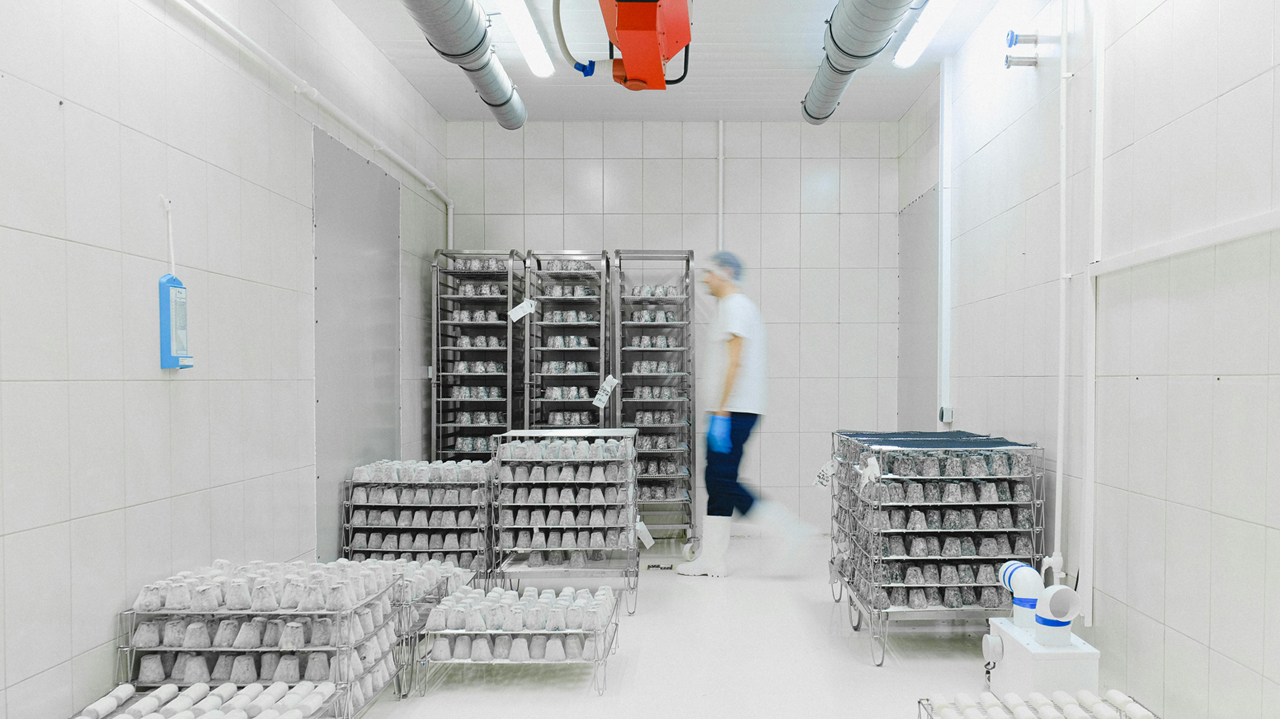

As demand extends beyond high-cost gateway cities, Indianapolis has captured attention as a high-potential alternative, offering cost-efficient land, government-backed incentives, and ample room for large-scale refrigerated warehouse growth. At the same time, much of the nation’s cold storage infrastructure is aging and no longer meets modern standards for automation, energy efficiency, or precise temperature control. In response, businesses are rethinking their distribution strategies, and Indianapolis is proving to be an innovative, future-ready solution. From new construction to the modernization of aging facilities, the market is actively aligning with national trends and evolving industry needs. Backed by growing public and private investment, Indianapolis is positioning itself as a national benchmark for scalable, sustainable, and resilient cold chain infrastructure. This article outlines eight key factors driving Indy’s emergence as a leading cold storage hub.
1. A Prime Logistics Location
Indianapolis offers a rare blend of geographic centrality and multimodal connectivity, positioning it as a natural gateway for both regional and national distribution. With more than half of the U.S. population located within a 650-mile radius, the city has become an ideal hub for logistics and cold chain operations. This geographic advantage is reinforced by a well-integrated transportation infrastructure that includes the convergence of five major interstates, a significant air cargo operation, and a robust freight rail network.
What truly sets Indianapolis apart is the continuity and efficiency of its logistics network. Its expansive highway system supports seamless freight movement across multiple states, while the presence of a central air cargo hub enables rapid handling of time-sensitive and perishable goods. Complemented by active freight rail service, the city offers diverse and reliable transportation options that will allow cold storage operators to optimize their supply chain performance.
This level of connectivity empowers cold storage facilities to minimize transit times, control shipping costs, and maintain strict temperature integrity across delivery routes. In an increasingly dynamic cold chain environment, Indianapolis’s flexible logistics network provides the operational agility needed to respond to shifting market demands and client expectations, delivering a competitive edge that goes well beyond geographic convenience.
2. Surge in Online Grocery Delivery
The way people shop for groceries has undergone significant changes. What began as a pandemic-driven behavior has evolved into a permanent shift in how consumers source perishable goods, as more households rely on online grocery delivery for convenience, consistency, and time savings. This shift is transforming the logistics landscape and placing unprecedented demands on cold storage infrastructure.
In May 2025, online grocery sales increased by 27.0% year-over-year, with delivery accounting for 45.4% of total eGrocery purchases, representing a nearly 13 percentage point rise compared to the previous year. These numbers highlight a clear trend: consumers want groceries delivered to their doorsteps, and they expect speed, freshness, and consistency.
This surge is driving heightened investment in cold storage infrastructure that can meet the specialized requirements of eGrocery logistics. Operators are prioritizing facilities equipped with advanced inventory systems, temperature monitoring technologies, and streamlined layouts that support fast and reliable order fulfillment. Indianapolis, with its central location, extensive logistics infrastructure, and development-ready sites, offers exactly what cold chain operators need to scale, no matter whether they’re fulfilling same-day deliveries or managing multi-state distribution. As a result, this city is already experiencing a surge in new development and facility upgrades, reinforcing its role as a leading innovator in cold chain logistics.
3. Food, Pharma, and Biotech Industries on the Rise
The sustained growth of core temperature-sensitive industries, including food production, pharmaceuticals, and biotechnology, has significantly contributed to Indianapolis’s development as a critical hub for cold chain logistics. In the food industry, the demand for cold chain logistics continues to rise, particularly for processed, packaged, and perishable goods that require strict temperature control. Indianapolis’s proximity to primary agricultural production regions further increases the need for reliable cold storage infrastructure to support the sourcing, handling, and distribution of fresh produce and temperature-sensitive items.
The city also boasts a strong and expanding presence in the life sciences industry, with nearly 350 companies employing between 21,200 and 28,700 professionals across pharmaceuticals and biotech. Anchored by global players such as Eli Lilly and supported by significant investments, including Novo Nordisk’s research center and Elanco’s $300 million global headquarters, the region is at the forefront of pharmaceutical and biotech innovation. These industries require highly specialized cold storage solutions that can maintain the integrity of sensitive materials, ranging from active pharmaceutical ingredients to biologics, throughout the entire supply chain.
Together, these sectors are driving consistent demand for advanced cold storage facilities that are not only scalable but equipped with the precision and regulatory compliance required by modern life sciences and food logistics.
4. Technological Advancement
Technological innovation is playing a central role in accelerating the expansion of such storage facilities across Indianapolis. The integration of automation, data analytics, and energy-efficient technologies is enhancing operational efficiency and ensuring the quality of perishable goods.
The increasing use of data analytics and the Internet of Things is reshaping the way modern cold storage facilities operate. IoT-enabled devices enable continuous, real-time monitoring of temperature and humidity conditions, ensuring that products are stored within optimal parameters at all times. This not only protects the integrity of temperature-sensitive goods but also generates actionable insights that enhance inventory accuracy, improve traceability, and optimize overall warehouse performance.
Automated storage and retrieval systems are increasingly being adopted to streamline operations, reduce labor costs, and minimize human error. Meanwhile, AI-powered analytics are driving more intelligent forecasting, inventory control, and route optimization, making logistics more agile and cost-effective.
Ready to explore available cold storage spaces in Indianapolis?
Schedule a Discovery CallAs sustainability becomes a central priority, advanced refrigeration technologies and energy management systems are also being implemented to reduce power consumption and lower environmental impact. These eco-efficient solutions enable operators to meet both regulatory standards and corporate ESG objectives without compromising performance. With a forward-thinking approach to innovation and sustainability, Indianapolis is emerging as a hub for innovative, scalable, and environmentally responsible cold storage infrastructure.
5. Labor Availability & Skilled Workforce
Indianapolis boasts a diverse and well-prepared labor pool, supported by a strong educational infrastructure that includes universities, community colleges, and vocational training programs specializing in logistics, supply chain management, and food safety.
Institutions such as Purdue University and Indiana University offer dedicated programs in logistics and supply chain operations, producing graduates equipped with the skills required by today’s industrial employers. In addition to academic training, the region benefits from a robust and expanding labor market in warehousing, transportation, and distribution, providing a reliable foundation for staffing large-scale logistics operations.
The city’s logistics ecosystem is further strengthened by the presence of major employers, such as Amazon, FedEx, and UPS, which operate numerous facilities across the region and contribute to a highly experienced talent base. The regional workforce in this sector is projected to grow by 6.1 percent over the next decade, surpassing national averages and reinforcing Indianapolis’s long-term appeal for cold storage developers and supply chain operators.
This combination of workforce availability and industry-aligned skill development makes it easier for cold storage facilities to recruit and retain talent with the technical expertise and flexibility needed to meet evolving operational demands.
6. Proximity to Agricultural Supply Chains
Indianapolis benefits from its proximity to some of the most productive agricultural regions in the country. Situated in the heart of the Midwest, the city is surrounded by states known for their high-volume agrarian output, including corn, soybeans, fruits, and livestock. This abundance generates a steady flow of perishable goods that require reliable cold storage solutions to preserve quality and reduce waste.
Key agricultural states such as Illinois, Ohio, Kentucky, and Michigan are all within approximately 200 miles of Indianapolis. This central location enables rapid, just-in-time sourcing and distribution, significantly reducing transit times and spoilage risk, while streamlining cold chain logistics.
Additionally, there is a growing demand for mid-point cold storage facilities driven by the rise of vertical integration in agriculture and food manufacturing. As processors, distributors, and third-party logistics providers seek locations that support cross-docking, repacking, and quality control near production sources, Indianapolis stands out for its highway and rail connectivity, as well as its expanding industrial footprint, making it a key logistical node that connects regional growers with national food distributors and strengthens its role in the broader agricultural supply chain.
7. Modernization & New Construction Opportunities
With much of the nation’s cold storage infrastructure dating back more than two decades, there is growing demand for newly built facilities that meet the needs of today’s supply chains. Driven by both investor confidence and tenant demand, Indianapolis is becoming a focal point for new development and modernization efforts. The market offers land availability, favorable zoning, and streamlined permitting processes necessary to support ground-up construction and customized build-to-suit projects tailored to modern logistics needs. One notable example is the NewCold facility in Indianapolis. As the world’s third-largest food logistics provider, NewCold is developing a high-tech cold storage center with a capacity of over 458 million cubic feet. The facility incorporates advanced automation and temperature control systems to maximize storage density and ensure the efficient and reliable handling of perishable goods.
In addition to new construction, significant attention is being directed toward the modernization of existing cold storage facilities. Operators are installing energy-efficient refrigeration units, integrating innovative technology for real-time temperature and humidity monitoring, and upgrading warehouse systems to improve inventory accuracy and reduce downtime. These upgrades not only enhance operational performance but also contribute to sustainability efforts by lowering energy consumption and reducing long-term operating costs. Collectively, these developments are strengthening Indianapolis’s role as a key destination for cold storage innovation and expansion.
8. Affordable Development & Operating Costs
Indianapolis presents a highly cost-effective environment, which remains one of the most compelling reasons behind the expansion of cold storage facilities in the region. Compared to other major logistics hubs, the city offers significantly lower costs for land acquisition, construction, and ongoing operations. This financial advantage enables companies to invest in larger, more technologically advanced facilities, enhancing both capacity and performance.
Indiana’s competitive utility rates further support operational efficiency. Electricity and water, both essential to refrigeration systems, are more affordable in Indiana than in many competing markets. Additionally, local and state incentive programs, including tax abatements and workforce training support, further enhance the cost-effectiveness of operating in Indy. These advantages encourage both near-term development and long-term investment in cold storage infrastructure.
Bottom Line
Indianapolis has long been the backbone of America’s logistics network, with unrivaled access to 50% of the U.S. population within a day’s drive, an advantage turbocharged by five major interstates, and the nation’s second-largest FedEx hub. Now, structural shifts in e-commerce grocery, pharmaceuticals, and fresh food logistics are transforming the city into a national cold storage epicenter. At Allies Commercial Realty, we’ve witnessed this evolution firsthand, guiding investors and occupiers through Indianapolis’ pro-business climate, infrastructure readiness, and skyrocketing demand for refrigerated space. From strategic site selection near I-65/I-70 corridors to lease negotiations for temperature-controlled facilities, our commercial real estate brokerage leverages deep market intelligence to capitalize on this momentum.
Topic: Cold Storage
Considering a move into the Indianapolis cold storage market?
Talk to a Broker
About the Author
Mitchell Ayers | Industrial Broker
Mitchell specializes in industrial leasing, sales, and tenant representation throughout Central Indiana. He works closely with manufacturers, distributors, logistics companies, and business owners to help them evaluate facilities and make informed real estate decisions that support long-term operational growth.
Download Our Free Resource:
The Future of Industrial Real Estate in Indiana:
E-Commerce and Beyond
You might also enjoy reading:



Cookies improve your browsing experience, deliver tailored ads or content, and assess our website traffic. If you click 'Accept All’ you are giving your consent for us to utilize cookies. Check our cookies policy here.
Adding {{itemName}} to cart
Added {{itemName}} to cart