
















 Listen to Our Blogs
The Early Effects of the New Administration’s Tariffs on U.S. Commercial Real Estate Markets
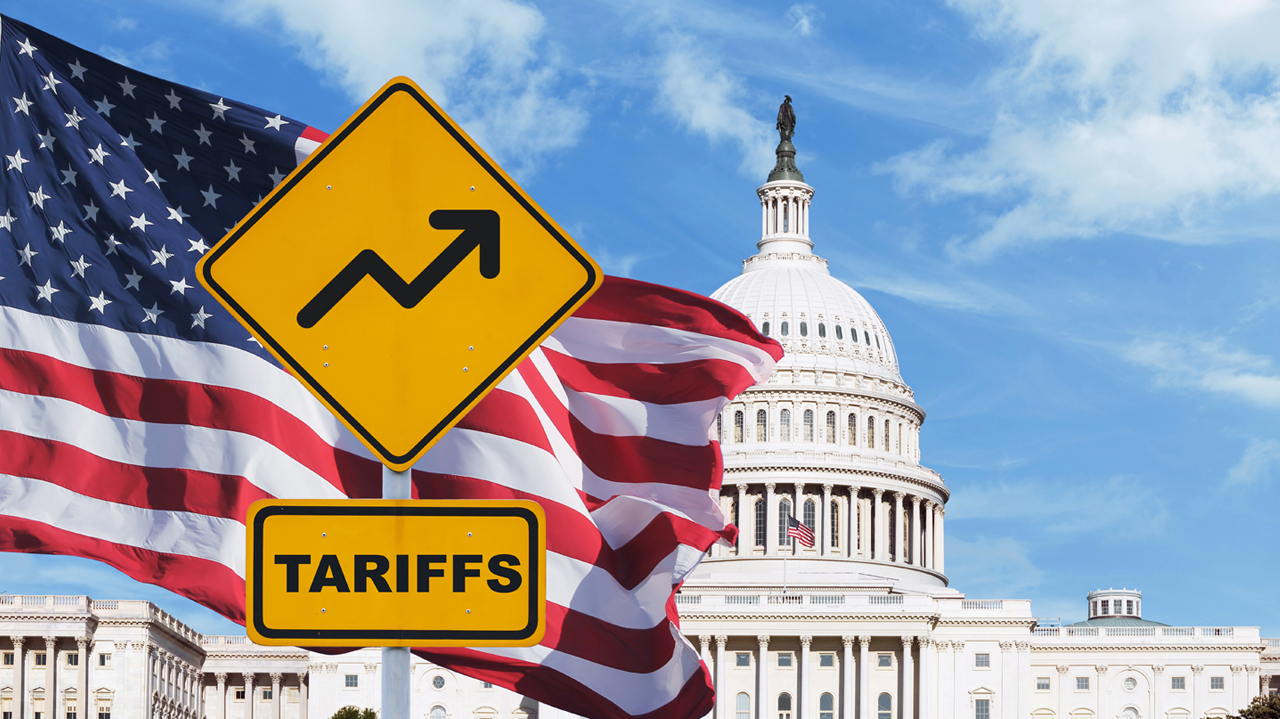

The U.S. commercial real estate sector is entering a pivotal phase, shaped by the far-reaching implications of the administration’s tariff-driven trade strategy. With baseline import tariffs now set at 10% and country-specific rates climbing as high as 145%, these aggressive measures send economic ripples through every layer of the market, impacting construction timelines, investment strategies, and leasing decisions. Developers already feel the pressure of increased material costs and extended delivery times, straining project budgets and schedules. Amid all these, in Q4 2024, commercial real estate deals totaled $108.5 billion—a notable 33.6% increase from the previous quarter, signaling that many market participants view this volatility as an opening for strategic repositioning. What’s even more striking is the sentiment on the ground. A recent industry survey found that 88% of CRE executives remain optimistic about 2025’s revenue growth, reflecting a broader trend of adaptability and forward-thinking amid complex geopolitical and economic pressures.
In this article, we examine the early-stage impacts of the administration’s tariff decisions across critical segments—from construction costs and industrial demand to foreign investment shifts and renewable energy development—arming industry leaders with the insight needed to navigate an increasingly trade-sensitive environment.
Economic Growth, Demand, and Financing Costs
The tariffs are expected to contribute to slower economic growth, with projections indicating a 1.3% growth rate and mid-3% inflation for 2025. Higher costs for imported goods and potential retaliatory tariffs from trading partners could reduce business and consumer spending, decreasing demand for CRE, particularly in the office and retail sectors. A Yale Budget Lab analysis suggests that tariffs could result in a 1.7% to 2.1% price increase for goods and services, reducing household disposable income by approximately $2,721 to $3,401, further dampening demand. However, the potential for 400,000 new manufacturing jobs in 3-5 years could stimulate demand for industrial properties in the long term. Tariffs may drive inflation, prompting the Federal Reserve to raise interest rates to stabilize prices. Higher interest rates increase borrowing costs for developers and investors, potentially reducing investment activity and affecting property values. The 10-year Treasury yield is expected to remain around 4%, with the Fed possibly cutting short-term rates to support the labor market, creating mixed effects on financing. This could make it more challenging to finance large-scale projects, particularly in capital-intensive sectors like industrial and multifamily.
Impact on Construction Cost and Development Time
Tariffs on imported construction materials, particularly steel and aluminum from countries like China, Canada, and Mexico, will likely increase development costs. Approximately one-third of U.S. construction materials are imported, and analysts estimate a 3% to 5% rise in construction costs due to these tariffs. Since construction materials account for 50-60% of total project costs, this increase could significantly impact budgets, timelines, and investor confidence. Developers may face challenges securing affordable materials, potentially leading to fewer new projects or higher rents to maintain project viability. Due to the administration’s latest tariff structure, the U.S. construction sector faces mounting financial and logistical pressures. With tariffs playing a significant role, material costs are up 34% since 2020, well above inflation. So, some of the key impacts include:
Increased Material Costs: A 25% tariff on steel and aluminum has driven up the cost of structural components. Lumber tariffs have added approximately $9,000 to typical new construction projects.
Cost Escalation Projections: Construction costs are expected to rise another 4–6% in 2025, with some materials, like metals and imported finishes, forecasted to increase by up to 10%.
Extended Development Timelines: Ongoing supply chain disruptions, exacerbated by tariffs, have led to delivery delays for materials like steel, glass, and HVAC systems. This has resulted in longer lead times and forced many developers to re-sequence construction schedules.
Supply and Rents: Higher construction costs may limit the supply of new commercial properties, particularly in markets with strong demand, potentially leading to higher rents. In the multifamily sector, reduced supply could exacerbate housing shortages, driving up rents. However, if economic slowdowns reduce demand, occupancy rates and rents in industries like retail and office could face downward pressure. The balance between supply constraints and demand fluctuations will vary by market and property type.
To navigate these challenges, industry stakeholders are proactively adjusting their approach. Developers are increasingly front-loading procurement timelines and locking in prices earlier to hedge against future cost escalations, though market unpredictability continues to pose difficulties. In parallel, commercial real estate firms are adopting more advanced risk mitigation strategies. These include diversifying supplier networks, embracing more flexible sourcing models, and incorporating added time and financial contingencies into project planning. Such measures reflect a broader strategic shift to enhance resilience and maintain project viability in an uncertain economic landscape.
Shifts in demand for Industrial and Warehouse Spaces
The U.S. industrial and warehouse sector demonstrates resilience and adaptability amid evolving economic conditions and trade policies. Market reports indicate robust leasing activity in Q1 2025, which reached 123.3 million SF, marking the strongest performance since Q2 2024. Mid-sized facilities, particularly those between 100,000 and 250,000 square feet, accounted for 27.3% of total leasing volume, highlighting a strategic shift towards more flexible and scalable logistics solutions. E-commerce remains a significant driver of industrial demand, with online sales reaching $1.19 trillion in 2024, an 8.1% year-over-year increase. This growth underscores the need for warehouse and distribution centers to support rapid fulfillment and last-mile delivery operations.
Additionally, in response to the Republican administration’s new tariff policies, some international firms—particularly Chinese e-commerce and logistics companies—are expanding their U.S. warehouse footprints to mitigate risks from potential shipping delays and added import costs. While the national industrial vacancy rate rose slightly, up 30 basis points in March 2025 compared to the previous month, it is expected to stabilize in the year’s second half. Overall, the industrial sector remains fundamentally strong, with trade-driven adjustments and supply chain strategies helping to maintain momentum.
Effects on the Retail Sector
The commercial retail property sector is beginning to feel the effects of rising tariffs, particularly those targeting Chinese imports, which have climbed the most. These cost increases push retailers like Walmart and Target to raise prices across everyday goods, from food staples to household essentials. This inflationary pressure is cooling consumer demand: retail sales growth slowed dramatically to just 0.1% in April 2025, down from 1.7% in March. In response, many retailers are adopting more conservative strategies—slowing expansion plans, particularly in non-essential categories, and reevaluating their real estate footprints to minimize exposure amid market uncertainty. Landlords, in turn, are adjusting by offering shorter lease terms, enhanced tenant improvement allowances, and more flexible co-tenancy agreements to attract and retain tenants. Meanwhile, investors prioritize necessity-driven retail assets like grocery-anchored centers, urgent care clinics, and veterinary services. These demonstrate resilience and present attractive opportunities in a shifting retail landscape.
Explore how to protect your portfolio in a trade-sensitive market.
Schedule a Discovery CallOffice Market Exposure to Multinationals
The U.S. office market is changing as multinational corporations reevaluate their commercial real estate decisions in response to the Trump administration’s tariff-driven trade policies. Rising operational costs and supply chain uncertainties have prompted many global firms to consolidate office space and delay long-term leasing commitments to reduce overhead and enhance agility.
As of March 2025, the national office vacancy rate climbed to 19.9%, reflecting a 170-basis-point increase year-over-year, according to recent reports. This rise has been especially acute in major coastal and trade-exposed markets, such as New York, San Francisco, and Chicago, where multinational occupiers have traditionally maintained a significant presence. Q1 2025 saw negative net absorption in several of these metros, signaling a retreat from companies with extensive global operations. Another emerging response is reshoring—the return of manufacturing, R&D, and some corporate functions to the U.S.—as companies attempt to minimize tariff exposure and regain supply chain control. While this could create some demand for specialized office and flex space in secondary markets, the short-term effect remains a contraction in traditional office demand.
These dynamics suggest a continued cooling in demand from globally exposed tenants, especially in primary markets. As multinational firms adjust to ongoing trade uncertainty and elevated costs, the office sector may face prolonged vacancy challenges and slower leasing recovery in key urban centers.
Explore how to protect your portfolio in a trade-sensitive market.
Schedule a Discovery CallTariffs’ Influence on Foreign Investment Choices
The full impact of the 2025 tariffs remains uncertain due to ongoing trade negotiations and potential retaliatory measures. Some experts are optimistic about long-term benefits, such as increased domestic manufacturing, while others warn of immediate economic challenges. Stakeholders can mitigate risks by adopting strategies like Foreign-Trade Zone certification or investing in technology to enhance cost efficiency and supply chain resilience.
Tariff-driven trade uncertainties are reshaping foreign investment patterns in U.S. commercial properties. As of early 2025, Chinese investment has markedly declined, with investors selling approximately $31.7 billion in U.S. commercial real estate properties between 2019 and 2023, 15 times more than they acquired, due to ongoing trade tensions and tighter capital controls. Over the past 12 months, international capital transaction volume reached $52.6 billion, reflecting a nearly 40% year-over-year drop.
Despite these headwinds, forecasts project an encouraging 39% annual increase in foreign investment for 2025, signaling renewed confidence in the market. Investors are adopting a more strategic and selective approach, prioritizing assets with long-term leases, strong credit tenants, and greater income stability. There’s growing emphasis on specialized asset classes—such as logistics, data centers, and life sciences—and a shift toward secondary and tertiary markets as part of a broader diversification strategy. As global trade conditions shift, foreign capital is expected to play a steady, though more selective, role in influencing the future of commercial real estate transactions.
| Sector | Potential Impacts |
|---|---|
| Industrial | Short-term disruptions from reduced trade volumes may decrease demand for warehouse and distribution centers. However, long-term growth in domestic manufacturing could increase demand for production facilities, potentially creating new jobs in the next couple of years. |
| Retail | Higher consumer prices due to tariffs will likely reduce spending, leading to decreased demand for retail spaces and potential challenges for retailers’ profitability. |
| Office | Slower economic growth may reduce demand for office space, but prime locations could remain resilient due to return-to-office and flight-to-quality trends. |
| Multifamily | Higher construction costs may limit new supply, potentially increasing rents, while economic uncertainty could affect tenants’ financial stability, impacting occupancy and rent collection. |
Table: The impact of tariffs varies across sectors, with some facing more immediate challenges and others potentially benefiting in the long term.
Impact on Renewable Energy & Green Building Projects
The renewable energy and green building sector is experiencing challenges and opportunities in the current market environment. While federal incentives and tax credits, particularly under the Inflation Reduction Act, continue to bolster the transition to sustainable construction and energy systems, rising costs on imported materials such as solar panels, steel, and innovative technologies are straining project budgets and timelines. These tariff-related cost increases are compressing profit margins and contributing to delays in development.
However, the sector’s long-term outlook remains strong. Globally, the green building materials market was valued at $287.6 billion and is projected to more than double, reaching $693.5 billion by 2034, signaling sustained confidence in sustainable construction. Demand for environmentally responsible properties continues to grow, driven by investor ESG mandates, corporate sustainability goals, and shifting tenant expectations.
In response, developers and property owners are adopting innovative strategies—utilizing locally sourced and recycled materials, integrating energy-efficient and innovative building technologies, and pursuing certifications such as LEED and WELL to boost asset value and market appeal. As cost structures evolve, strategic sourcing and design innovation are essential to maintaining momentum in the green building space.
Investment Strategies and Capital Markets Reaction
The implementation of tariffs has triggered significant shifts in investment strategies and capital market dynamics within the commercial real estate market. Rising costs for imported construction materials and foreign equipment have led investors to adopt a more selective and strategic approach. There is a growing preference for asset classes that offer stable, inflation-resistant cash flows, such as logistics centers and data facilities.
Investors diversify across asset types and geographic regions to manage tariff-related risks while restructuring capital stacks. As traditional lending tightens amid economic uncertainty, alternative financing sources like private equity and mezzanine capital play a greater role in deal structuring. Although recent interest rate adjustments have improved market confidence, lenders remain cautious, enforcing stricter underwriting standards. Ultimately, tariffs are accelerating a broader shift toward selective capital deployment, emphasizing assets resilient to macroeconomic volatility.
Leasing Trends and Tenant Behavior
Tariff policies are having a noticeable impact on how tenants approach leasing decisions and how landlords structure their offerings. With rising import costs, tenants in logistics and retail sectors are reassessing their strategies to manage operating expenses better, downsizing their space, negotiating more flexible lease terms, and emphasizing cost-sharing mechanisms like tenant improvement (TI) allowances.
Recent market data shows increasing demand for mid-sized industrial and flex spaces, particularly in regions like the Midwest and Southeast, where reshoring and supply chain localization drive activity. In the retail sector, tariff-induced price inflation has weakened consumer demand, leading occupiers to delay expansion, renegotiate lease terms based on performance, and seek more favorable rent structures. At the same time, tenants value buildings with sustainable features, energy efficiency, and integrated technology to lower utility costs and align with ESG (Environmental, Social, and Governance) objectives. Green-certified buildings are attracting premium rents and achieving stronger tenant retention rates.
On the other hand, landlords are responding by offering more generous concessions, upgrading property infrastructure, and introducing tech-enabled services that enhance tenant experience. These shifts mark a broader transition toward flexible, value-oriented leasing models that accommodate evolving economic conditions and strategic tenant priorities in a tariff-impacted market.
Conclusion
The tariffs are poised to create a complex landscape for the U.S. commercial property sector, with increased costs, economic slowdowns, and sector-specific dynamics shaping the market. While challenges like higher construction and financing costs are likely, potential long-term benefits in industrial real estate and strategic adaptations could help mitigate impacts. Stakeholders should stay informed about policy changes and adopt flexible strategies to navigate this evolving environment. Despite the mounting pressures from escalating tariffs, the U.S. commercial real estate industry continues demonstrating remarkable resilience. The industry is entering a new era of adaptability, strategic precision, and long-term vision. Developers are rethinking procurement strategies, investors are shifting toward high-performing niche assets, and tenants are prioritizing value-driven, sustainable spaces. Rising demand for flexible industrial properties, increased focus on ESG-aligned buildings, and more selective investment approaches are unlocking new avenues for growth. While economic uncertainty persists, the commercial property market is far from stagnant. It’s evolving—now is the moment to move from reaction to reinvention.
Topic: Trade Policy
Ready to turn uncertainty into opportunity? Speak with a broker today.
Talk to a Broker
About the Author - Adam Stephenson
With over a decade of experience in commercial real estate, Adam is a trusted advocate for privately held organizations, specializing in industrial properties across Central Indiana. Adam brings a wealth of expertise in tenant representation, lease negotiations, and strategic asset acquisitions. A graduate of Indiana University – Indianapolis with a degree in Business Management, he further distinguished himself by earning the prestigious CCIM & SIOR designations. His deep industry knowledge, client-focused approach, and commitment to delivering tailored solutions make his insights invaluable.
Download Our Free Resource:
The Future of Industrial Real Estate in Indiana:
E-Commerce and Beyond
You might also enjoy reading:


Cookies improve your browsing experience, deliver tailored ads or content, and assess our website traffic. If you click 'Accept All’ you are giving your consent for us to utilize cookies. Check our cookies policy here.
Adding {{itemName}} to cart
Added {{itemName}} to cart